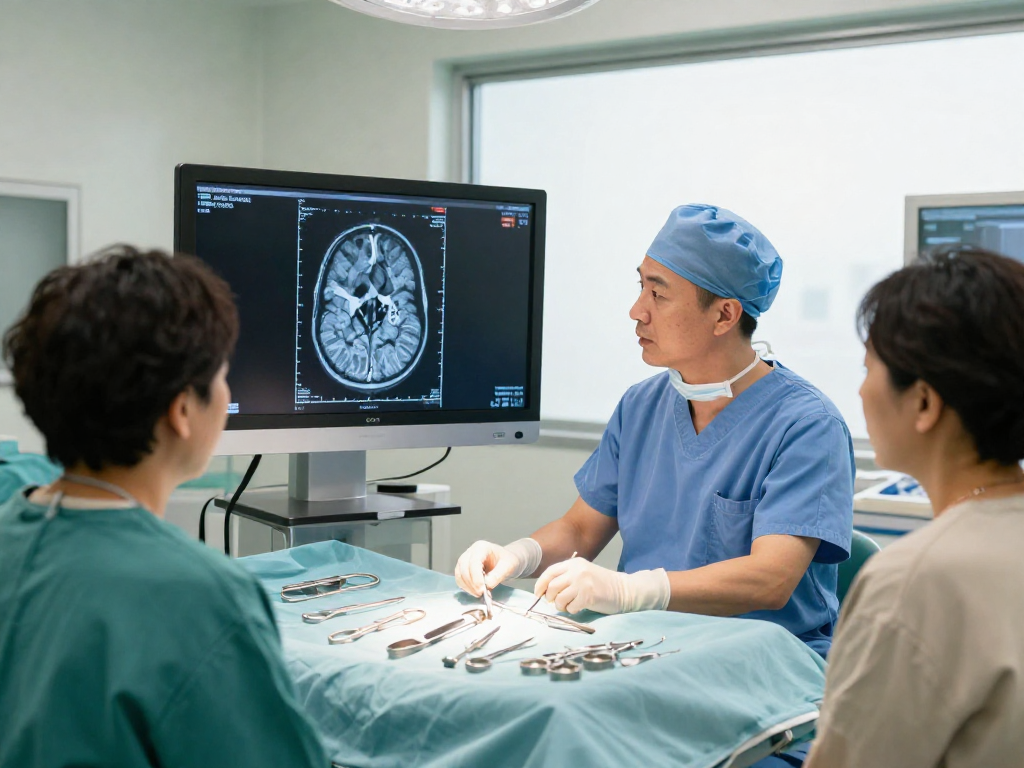
Understanding Beyin Tümörü Ameliyatı: An Overview
Beyin tümörü ameliyatı, hem iyi huylu hem de kötü huylu beyin tümörlerinin tedavisinde en yaygın ve etkili yöntemlerden biridir. Bu kapsamlı cerrahinin başarılı olabilmesi için erken teşhis ve doğru tedavi süreçlerinin hayata geçirilmesi kritik öneme sahiptir. Beyin tümörü ameliyatı, hastanın klinik durumuna yönelik özel bir yaklaşım ve planlama gerektirir. Özellikle besleyici bilgiler ışığında bir yol haritası oluşturmak, hastaların tedavi süreçlerini anlamalarına yardımcı olur. For detailed information, you can explore beyin tümörü ameliyatı resources that provide insights on the complexities involved.
What Is Brain Tumor Surgery?
Brain tumor surgery refers to the surgical interventions aimed at removing tumors from the brain, which can be either benign or malignant. The goal of the surgery is to eliminate the tumor while preserving as much healthy brain tissue as possible. Surgeons use advanced techniques and technologies, such as microsurgery and intraoperative imaging, to enhance the precision of the procedure.
Types of Brain Tumors Treated through Surgery
Several classifications of brain tumors are treated surgically:
- Meningiomas: These are typically benign tumors arising from the meninges, the protective membranes covering the brain. They represent approximately 36% of all primary brain tumors.
- Gliomas: This category includes various tumors originating from glial cells. High-grade gliomas such as Glioblastoma Multiforme (GBM) are notably aggressive.
- Metastatic tumors: These tumors originate from cancer elsewhere in the body and spread to the brain. Common primary cancers include lung, breast, and melanoma.
The Importance of Early Diagnosis in Surgical Success
Early diagnosis plays a vital role in the successful management of brain tumors. Symptoms such as unexplained headaches, seizures, and changes in cognitive function should prompt immediate medical evaluation. Advanced imaging techniques like MRI and CT scans allow for accurate tumor localization and characterization, aiding in effective treatment planning.
Stages of Beyin Tümörü Ameliyatı
Pre-operative Assessment and Planning
Prior to surgery, a thorough pre-operative assessment is conducted. This includes detailed imaging studies to evaluate tumor size, location, and its relationship with critical surrounding structures. The surgical team collaborates to develop a customized surgical plan tailored to the patient's specific needs and tumor characteristics.
Intraoperative Techniques and Innovations
Intraoperative techniques have significantly evolved, enhancing surgical outcomes. Innovations such as neuronavigation systems allow for precise tumor localization during surgery, while awake craniotomy techniques enable real-time feedback from the patient regarding neurological function.
Post-operative Care and Monitoring
Post-operative care is crucial for ensuring a smooth recovery. Patients are typically monitored in a specialized unit for the first 24-48 hours, where vital signs, neurological status, and potential complications are closely observed. Follow-up imaging is often performed to assess the resection’s success and detect any residual tumor.
Risks and Benefits of Beyin Tümörü Ameliyatı
Potential Complications Associated with Surgery
Like all surgical procedures, brain tumor surgery comes with potential risks, including infection, bleeding, and neurological deficits. Understanding these risks is essential for informed consent and shared decision-making between patients and their medical team.
Long-term Outcomes and Quality of Life Improvements
Successful brain tumor surgery can lead to significant improvements in quality of life. Many patients experience relief from symptoms that impair their daily functioning, and some may achieve long-term remission of their tumors.
Patient Experiences and Case Studies
Real-world case studies illustrate the varying outcomes of surgical interventions. Patient stories often highlight the journey from diagnosis through treatment and recovery, emphasizing the importance of support systems and rehabilitation services in the healing process.
Advanced Techniques in Beyin Tümörü Ameliyatı
Innovations in Neurosurgery: Navigation Systems and Awake Surgery
Modern neurosurgery incorporates state-of-the-art technologies such as intraoperative navigation systems and awake surgery techniques. These advancements facilitate more accurate tumor resections while minimizing the risk of damage to critical brain functions.
The Role of Gamma Knife and Stereotactic Radiosurgery
Stereotactic radiotherapy, including Gamma Knife therapy, plays a crucial role in managing brain tumors, especially for those that are difficult to access surgically. This non-invasive technique targets tumor cells with focused radiation, allowing for effective treatment with minimal impact on surrounding tissues.
Future Trends in Surgical Approaches
As technology continues to evolve, the future of brain tumor surgery promises even greater advances. Techniques such as robotic surgery and machine learning algorithms are poised to enhance surgical precision and outcomes, ultimately improving patient care.
Preparing for Beyin Tümörü Ameliyatı
Pre-surgery Recommendations for Patients
Preparation for brain tumor surgery includes a comprehensive evaluation by the surgical team. Patients are advised to discuss medications, allergies, and any pre-existing conditions that may affect the procedure or recovery.
Understanding the Recovery Process
Post-operative recovery varies by individual and can take several weeks to months. Patients often engage in a rehabilitation program to address any cognitive or physical deficits resulting from the surgery.
Support Systems for Patients and Families
Support systems, including family involvement and psychological counseling, can greatly aid in the recovery process. Emotional support is paramount throughout the surgical journey, from pre-operative anxiety to post-operative rehabilitation.
What to Expect After Surgery?
Patients can generally expect a range of post-operative experiences, including pain management, potential physical therapy, and regular follow-up appointments to monitor for any signs of recurrence or complications.
How Do Costs and Insurance Affect Treatment?
The financial implications of brain tumor surgery can be significant. For more information, beyin tümörü ameliyatı offers valuable insights. Understanding the coverage options provided by health insurance is crucial for patients to plan accordingly and alleviate financial burdens during treatment.