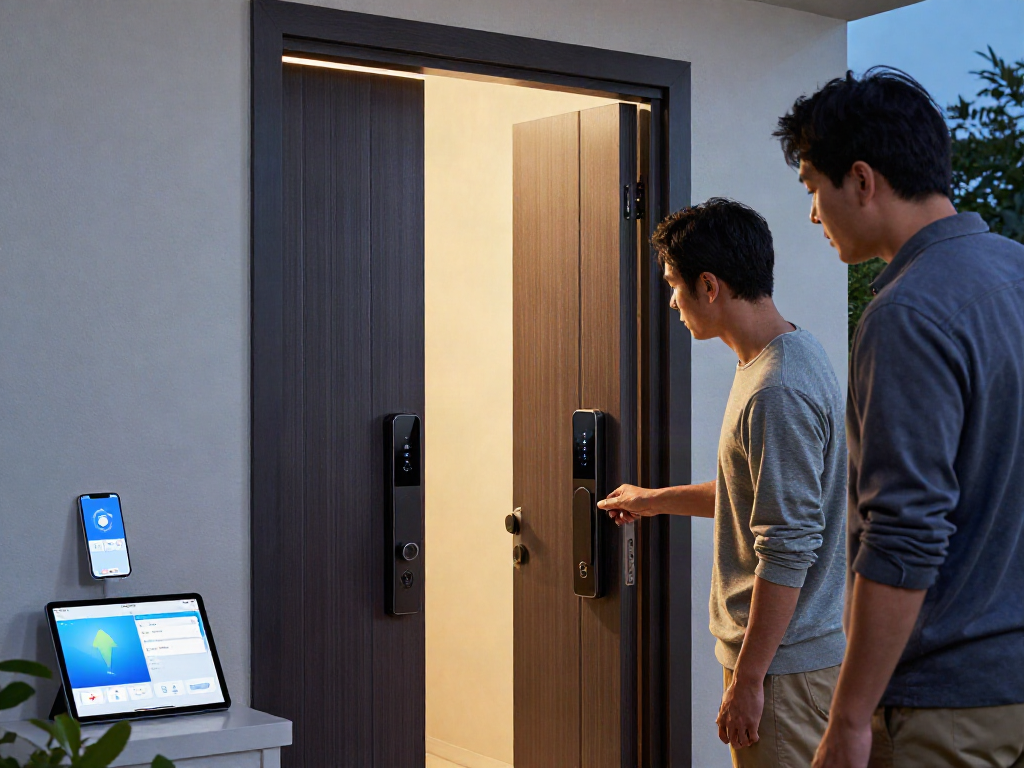
Understanding Smart Locks: The Future of Security
In our increasingly connected world, security technologies are evolving rapidly. Among these innovations, قفل هوشمند, or smart locks, have emerged as a game-changer in home and office security. With features that redefine how we think about locking and accessing our spaces, smart locks represent a significant leap forward from traditional lock systems. This article aims to delve into the intricacies of smart locks, exploring what they are, how they function, and their potential benefits and challenges.
What is a قفل هوشمند?
A قفل هوشمند, or smart lock, is an electronic locking device that allows users to control access to their property through digital means. U قفل هوشمند nlike traditional mechanical locks, smart locks can be operated via smartphones, key fobs, or biometric scanners, creating a more flexible and convenient access system. These locks often integrate with home automation systems, allowing users to manage their security remotely.
How Smart Locks Work and Their Advantages
Smart locks typically use Wi-Fi or Bluetooth technology to connect to your smartphone or central home hub. Upon installation, users can program the lock to enable or disable access for different individuals, set schedules for when the lock is active, and receive alerts of any attempts to breach security. The advantages of smart locks include:
- Convenience: No need for physical keys—unlock your door with your phone.
- Remote Access: Control your locks from anywhere, ensuring security even when you are away.
- Access Management: Easily grant temporary access to guests without needing to provide physical keys.
The Evolution of Home Security Technology
The concept of home security has evolved dramatically from simple padlocks to complex digital systems. Early efforts focused on physical security measures, like deadbolts and alarms. However, technological advancements have introduced smart technologies that improve responsiveness and user control. With the rise of the Internet of Things (IoT), smart locks signify a pivotal shift toward fully integrated home security solutions.
Key Features of Modern Smart Locks
Integration with Smart Home Systems and Devices
One of the standout features of modern smart locks is their ability to integrate seamlessly with other smart home devices. This integration allows users to synchronize their security systems with lighting, security cameras, and alarms, enhancing overall home security. For example, a smart lock can be programmed to turn on porch lights when it is unlocked at night, offering an added layer of safety.
Remote Access and Control Capabilities
Remote access is perhaps the most significant advantage of smart locks. Users can lock or unlock their doors from anywhere using a smartphone app. This feature not only adds convenience but also enhances security by allowing homeowners to monitor access in real-time and respond quickly to any suspicious activity.
Advanced Security Features: Encryption and Alerts
Smart locks employ sophisticated encryption methods to protect user data and access controls. Many models also provide alerts for unauthorized access attempts, giving users peace of mind. Additionally, some locks offer two-factor authentication, adding another layer of security that is rarely found in traditional locks.
Challenges and Considerations in Adopting Smart Locks
Common Misconceptions About Smart Lock Security
Despite their advantages, many users are concerned about the security of smart locks. A common misconception is that smart locks are more easily hacked than traditional locks. While it is true that smart locks may face cyber threats, reputable brands employ robust encryption methods. Understanding these security measures can alleviate concerns and promote informed choices.
Technical Issues: Connectivity and Maintenance
Technical issues can arise, such as connectivity problems or battery failures. It's crucial for users to regularly maintain their smart locks and ensure firmware updates are applied. Monitoring connectivity and battery levels can prevent disruptions and ensure optimal functionality.
Cost vs. Benefit: Is It Worth the Investment?
The cost of smart locks can be higher than traditional locks, leading to questions about their overall value. While the initial investment may be steep, the potential for enhanced security, convenience, and peace of mind can justify the price. When considering the long-term benefits, many homeowners find that smart locks offer significant advantages over their traditional counterparts.
Implementation Strategies for Homeowners
Steps to Choose the Right قفل هوشمند for Your Home
When choosing a قفل هوشمند, consider factors like compatibility with existing smart home systems, security features, and ease of use. Reading reviews and comparing various brands can help identify the best options for your specific needs. Additionally, look for models that offer customer support and warranties, ensuring assistance in case of any issues.
Installation Tips: DIY vs. Professional Services
Installation of smart locks can typically be handled as a DIY project, but the complexity may vary depending on the model. Homeowners should assess their comfort level with technology and tools before choosing to install a lock themselves. If in doubt, hiring a professional can ensure proper installation and functionality.
Best Practices for Using Smart Locks Safely
To maximize the security of your smart lock:
- Regularly change your access codes and passwords.
- Use two-factor authentication when available.
- Ensure your Wi-Fi network is secure and encrypted.
Future Trends in Smart Lock Technology (2026 and Beyond)
The Role of Artificial Intelligence in Security Solutions
As technology advances, artificial intelligence (AI) will play a pivotal role in enhancing the functionality of smart locks. AI algorithms can learn from user behavior to predict and adapt to security needs, potentially offering a more personalized security experience.
Emerging Technologies: Biometric Systems and More
Biometric systems, such as fingerprint or facial recognition, are expected to become standard features in smart locks. This technology can further enhance security and user convenience while reducing the risks associated with traditional key-based access.
Predictions for Consumer Adoption Rates and Market Growth
With increased awareness of smart home technologies, consumer adoption rates for smart locks are projected to soar. As more homeowners recognize the benefits, the market for smart locks is expected to grow significantly, leading to further innovations and improvements in security technology.
How to Stay Informed About Smart Lock Developments
Staying informed about the latest advancements in smart lock technology is essential for homeowners looking to enhance their security. Subscribing to tech blogs, following industry leaders on social media, and participating in home automation forums can provide valuable insights and updates.
What Makes a Good Smart Lock Consumer?
A good smart lock consumer is informed and proactive about security. They understand their needs, research options, and are willing to invest in quality products. Moreover, they stay updated on security best practices and technological advancements to ensure optimal safety.
Are Smart Locks Safe for Rental Properties?
Smart locks are particularly beneficial for rental properties, allowing landlords to manage access remotely and provide temporary codes for guests. However, ensuring robust security measures is crucial to protect both the property and the tenants.
Can Smart Locks Be Hacked?
While smart locks are not immune to hacking, reputable manufacturers implement strong encryption methods to mitigate risks. Users can further enhance security by following best practices and choosing locks from trusted brands.
What Should You Do if a Smart Lock Fails?
If a smart lock fails, homeowners should first check the power source and reset the device. Consulting the user manual or contacting customer support can provide guidance on troubleshooting. In some cases, professional service may be required to resolve more complex issues.
How Do Smart Locks Compare to Traditional Locks?
Smart locks offer several advantages over traditional locks, including enhanced security features, remote access capabilities, and improved user convenience. However, traditional locks may still be preferred for their simplicity and reliability in certain situations. Ultimately, the choice between the two depends on individual needs and security requirements.