
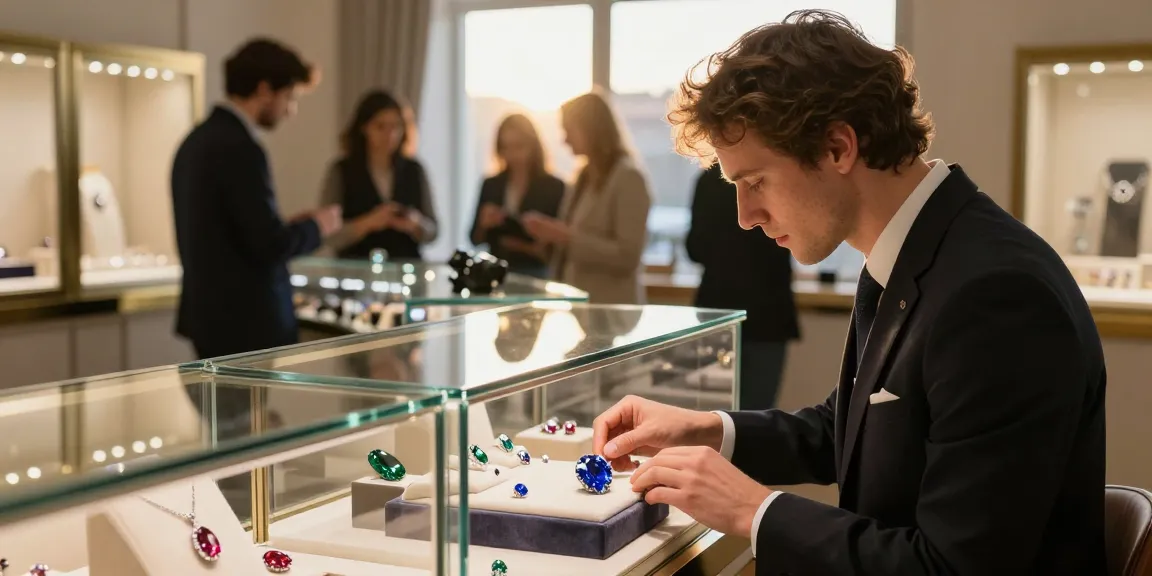
Understanding Quality in Gemstones
When it comes to gemstones, quality dictates value, market demand, and ultimately, the satisfaction of the buyer. As the gemstone industry continues to evolve, enthusiasts must understand what constitutes a high-quality gemstone. Quality is not merely about aesthetic appeal; it encompasses various factors including clarity, cut, color, and carat weight. Each element plays a pivotal role in enhancing a gemstone’s allure and worth. For those looking to make informed purchases or investments, grasping these concepts is crucial.
When exploring options, https://www.mygemspot.com provides comprehensive insights into the best practices for evaluating gemstones effectively, ensuring that buyers avoid common pitfalls.
What Makes a Quality Gemstone?
A quality gemstone often exhibits several key characteristics:
- Clarity: This refers to the presence of inclusions or blemishes within or on the surface of a gemstone. Higher clarity often translates to higher value. For instance, diamonds rated as ‘Flawless’ are considered the most desirable.
- Cut: The cut of a gemstone influences how it reflects light. Well-cut stones exhibit brilliance and sparkle, making them more appealing. For example, an ideal cut on a diamond will maximize its fire and scintillation.
- Color: In gemstones like sapphires and rubies, color intensity and hue can significantly impact value. A vibrant blue sapphire is generally more highly prized than a pale counterpart.
- Carat Weight: While larger stones are often more valuable, quality should not be sacrificed for size. A smaller gemstone with exceptional clarity and color can surpass the value of a larger, inferior stone.
Common Myths and Misconceptions
There are several myths surrounding gemstones that can mislead potential buyers:
- All gemstones are the same: This is untrue; each gem varies in quality, and understanding grading systems is essential.
- Price equals quality: While price may reflect quality, it is not the only indicator. Always evaluate according to the 4Cs (cut, clarity, color, carat).
- Natural is better than synthetic: Not necessarily. Some synthetic gemstones can possess superior qualities to their natural counterparts and are often more affordable.
How to Evaluate a Gemstone’s Value
Evaluating a gemstone’s value requires a detailed examination. Here are steps to consider:
- Assess the 4Cs: Cut, Clarity, Color, and Carat.
- Examine the gem under magnification to spot inclusions and assess the cut.
- Consult with certified gemologists or use reputable grading reports for informed decisions.
- Research market trends and similar sales to determine a fair price range.
Finding Reliable Merchants
As you navigate the gemstone market, finding reliable merchants becomes a critical part of the purchasing process. A reputable merchant not only guarantees authenticity but also offers a transparent purchasing experience. Identifying trustworthy dealers involves knowing what to look for and how to utilize available resources effectively.
Top Characteristics of Trusted Gemstone Dealers
When searching for reliable gemstone dealers, consider the following traits:
- Certifications: Look for dealers with recognized gemological certifications such as GIA (Gemological Institute of America).
- Transparency: Trustworthy dealers provide detailed descriptions and an authenticity guarantee for their gemstones.
- Customer Reviews: High ratings and positive testimonials from previous buyers indicate a dealer’s reliability.
- Clear Return Policy: A robust return policy demonstrates confidence in the quality of the products sold.
How to Use My Gem Spot to Find Verified Merchants
My Gem Spot serves as an essential resource for finding verified gemstone merchants. By utilizing its directory, customers can browse an extensive list of reputable dealers who have passed rigorous quality checks, ensuring unparalleled shopping confidence. The platform’s user-friendly interface allows buyers to explore vendor locations, specialties, and ratings easily, enhancing the overall purchasing experience.
Red Flags to Watch Out For
When assessing potential gemstone purchases, being vigilant is key. Here are some warning signs to be aware of:
- Unrealistic Prices: If a deal seems too good to be true, it likely is. Compare prices across trusted platforms.
- Lack of Documentation: Reliable gemstones should come with grading certificates and other authentication documents.
- Poor Customer Service: If a dealer is unresponsive or dismissive to inquiries, consider it a major red flag.
Buying Gemstones: Strategies and Tips
Purchasing gemstones can be a rewarding endeavor when approached thoughtfully. Developing effective strategies will empower buyers to make confident decisions.
Essential Questions to Ask Before Purchasing
Before making a purchase, ask the following questions:
- What is the origin of the gemstone?
- Is the stone natural, synthetic, or treated?
- Can you provide documentation validating the stone’s grade and authenticity?
- What is your return policy?
Negotiation Techniques for Buyers
Negotiating for a gemstone may feel daunting, but it can lead to better deals. Consider these techniques:
- Research Market Prices: Know the average price range for the gemstone you desire to strengthen your bargaining position.
- Be Polite and Professional: Approach negotiations respectfully to create a positive dialogue.
- Identify Your Maximum Price: Set a limit before negotiations to prevent overspending.
Understanding Pricing and Market Trends for 2026
As we approach 2026, understanding how gemstone prices evolve is critical for potential buyers. Watch for trends indicating increasing demand for ethically sourced and sustainable gemstones. Additionally, technological advancements in gemstone enhancement and treatment may influence market prices, making thorough research even more essential.
Gemstone Trends for 2026 and Beyond
The gemstone industry is dynamic, with trends emerging that reflect consumer preferences and environmental considerations. Buyers should stay informed to capitalize on upcoming opportunities.
Emerging Styles and Popular Choices
In recent years, buyers show an increasing preference for unique and colorful gemstones, often prioritizing personal significance over traditional precious stones. Look out for:
- Colored Diamonds: Beyond standard white diamonds, colored diamonds, particularly blue and pink, are gaining popularity.
- Alternative Gemstones: Stones like morganite and tourmaline are becoming favored alternatives to classic gemstones.
- Vintage and Antique Styles: Many consumers are drawn to the charm of vintage and antique pieces, lending a unique story to their collection.
Impact of Sustainability on Gemstone Sales
There is a growing demand for ethically sourced gems as consumers become more aware of environmental and ethical implications. This trend is not only influencing buying decisions but also shaping how merchants source and market their products. Expect an increased focus on sustainable practices in the industry moving forward.
Future Predictions in the Gemstone Market
The future of the gemstone market holds exciting potential. Analysts predict that technology will continue to revolutionize how gemstones are graded and authenticated. Moreover, increased availability of information and resources, such as platforms like My Gem Spot, will empower buyers to make knowledgeable decisions, thus enhancing their overall purchasing experience.
Frequently Asked Questions
What should I know before buying gemstones?
Research is key. Understand the 4Cs, ask pertinent questions, and ensure you’re buying from reputable sources to avoid scams.
How does My Gem Spot ensure merchant credibility?
My Gem Spot features a curated list of merchants who have passed stringent quality evaluations, ensuring that buyers can trust in the authenticity and quality of products.
What types of gemstones are best investments?
Historically, diamonds and sapphires have been solid investments. However, unique or rare gemstones can offer lucrative returns when selected wisely.
Can I trust online gemstone purchases?
Yes, but diligence is necessary. Use platforms that guarantee authenticity and examine merchant reviews before making purchases.
How to maintain and care for my gemstones?
Regular cleaning using gentle soap and water, avoiding exposure to harsh chemicals, and storing them in cushioned cases are essential to maintaining your gemstones’ clarity and luster.


